What is the Play Lab model?
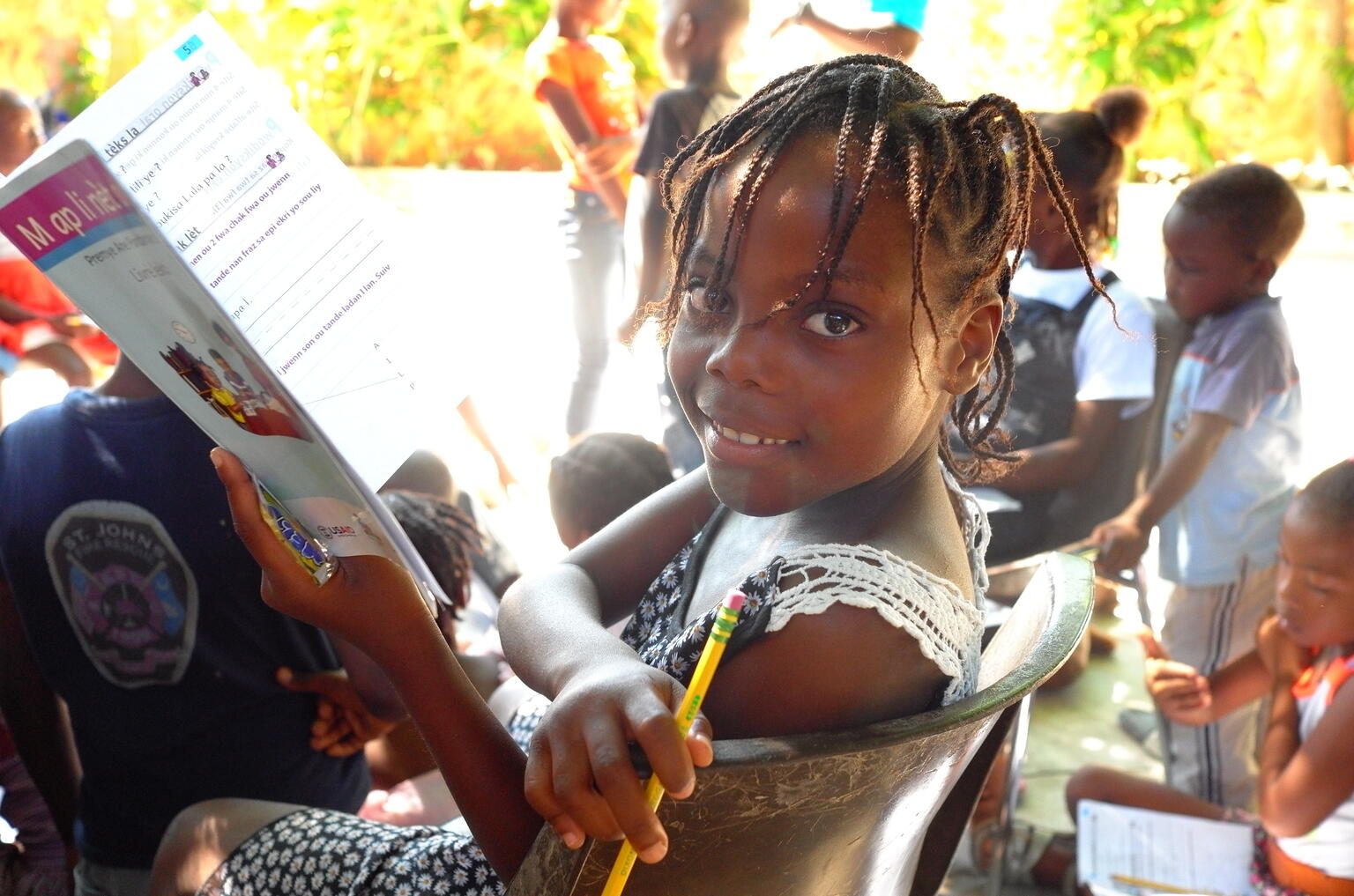
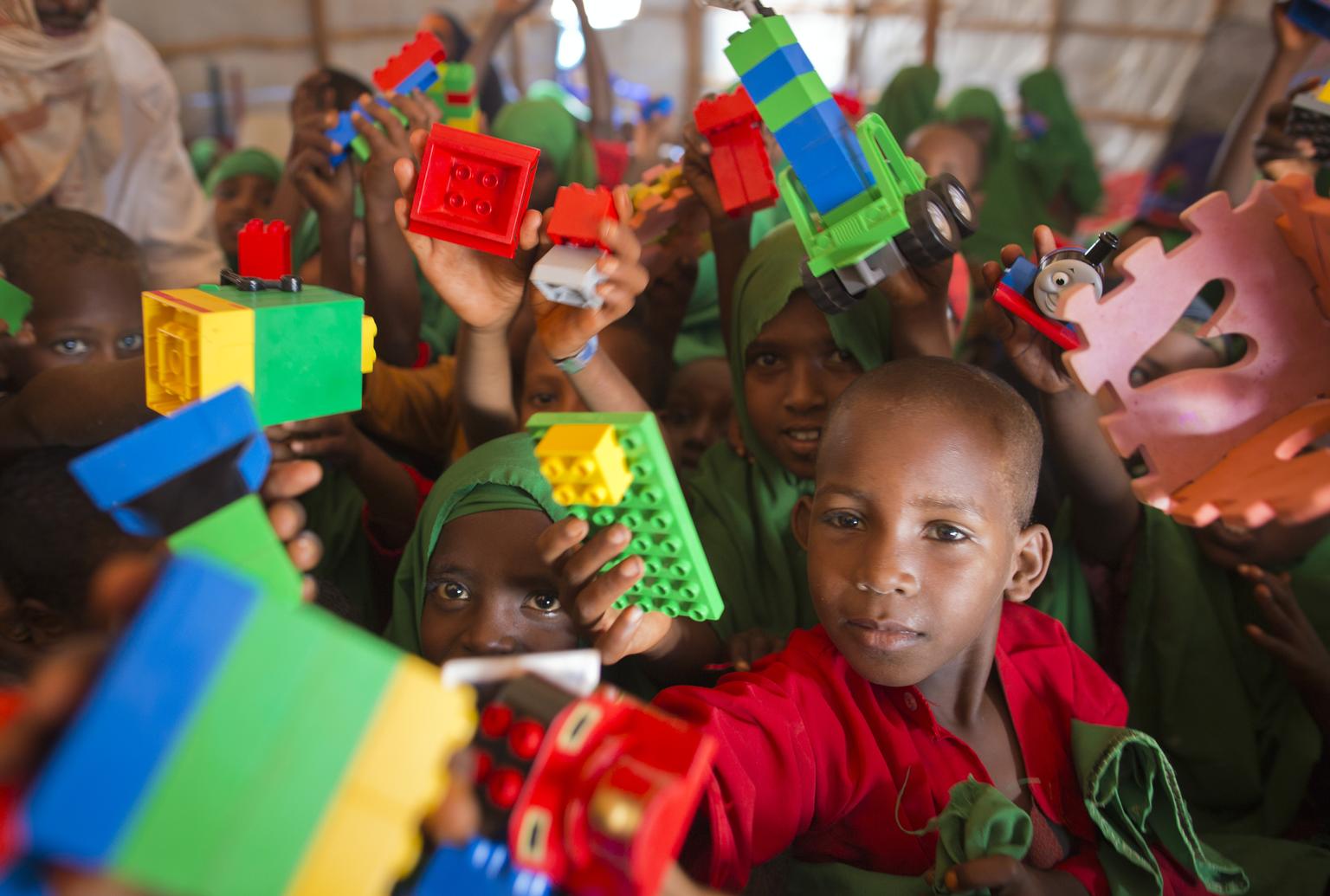
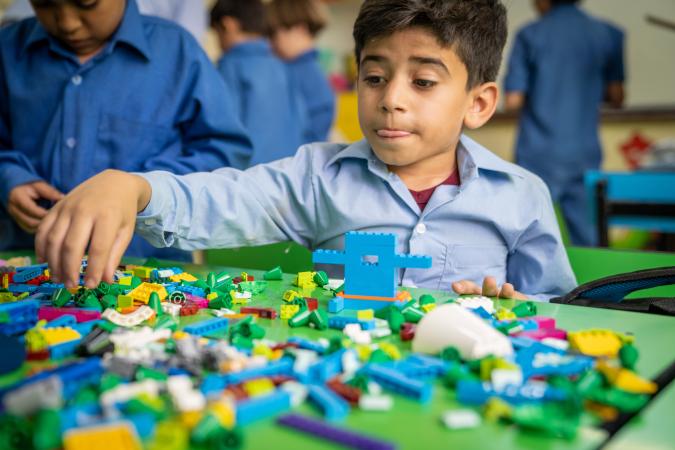
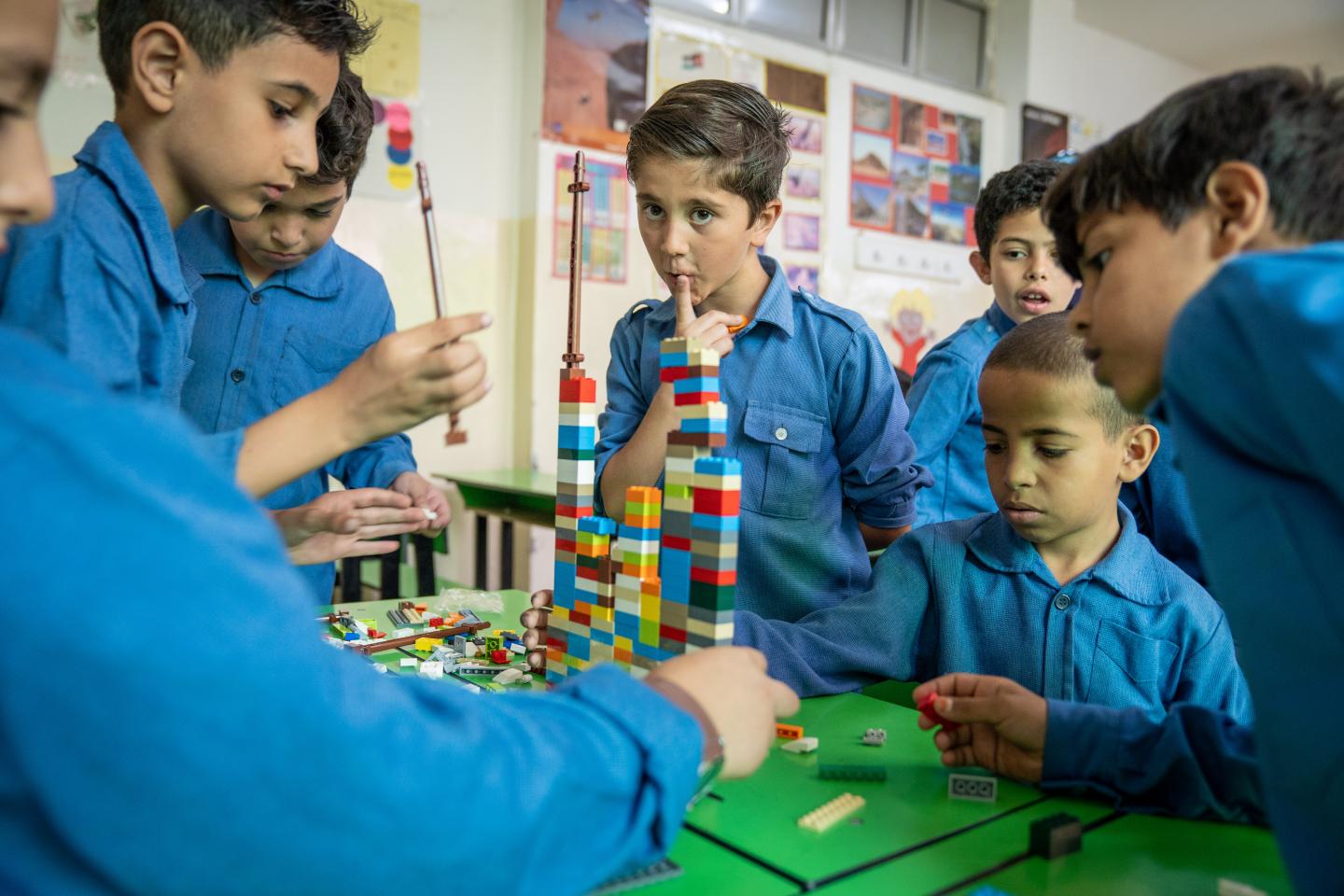
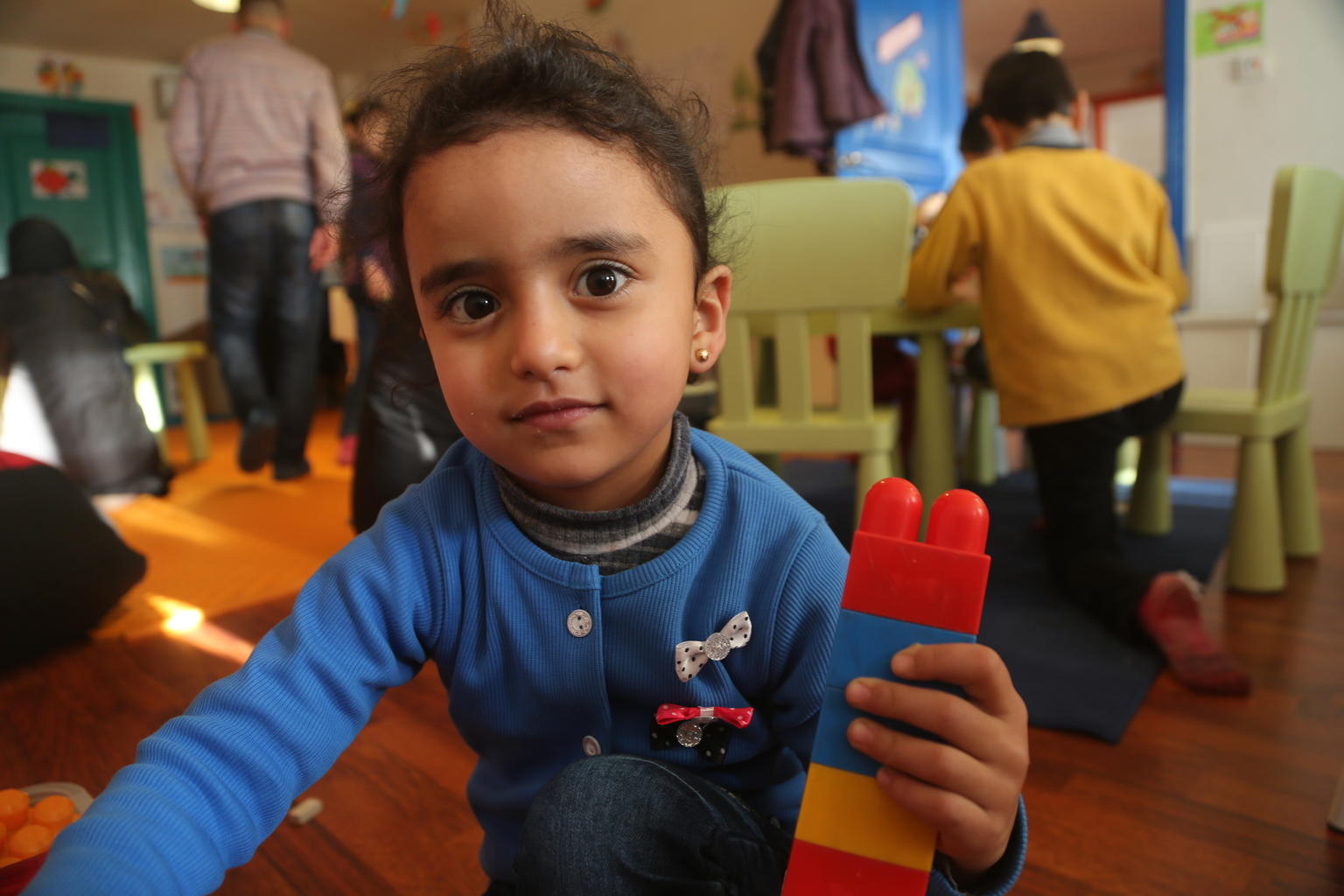
BRAC Play Labs are high-quality, low-cost, early childhood learning centers for children ages three to five in low-resource settings. Created in partnership with the LEGO Foundation, the innovative, community-based model centers learning around play in order to support children’s language, motor, cognitive, and socio-emotional development. The play-based curriculum incorporates physical play, songs and rhymes, stories, dance, art, and more as tools for learning, and engages caretakers and community members in creating low-cost, culturally relevant play materials to support children’s development. Designed to be adapted and scaled across a number of low-resource contexts, BRAC currently operates a network of Play Labs across Bangladesh, Uganda, and Tanzania, as well as a network of Humanitarian Play Labs serving children affected by the Rohingya refugee crisis in Cox’s Bazar, Bangladesh.
The challenges of early learning during the COVID-19 pandemic
According to Education Above All, nearly 91% of learners around the world were out of school as of April 9, 2020 due to the COVID-19 pandemic. The children that Play Labs serve are disproportionately impacted by the pandemic, not only with respect to their educations, but also in terms of health, food security, and economic impacts. In these low-resource, developing, and humanitarian contexts, children are also disproportionately vulnerable to poverty and other adversities and stressors, which can impede brain development without supportive caregiving interventions. It is vital to provide these children – and their caregivers – with psychosocial support and playful early learning and stimulation opportunities that help address trauma, support healthy development, and provide a sense of routine and normalcy during this uncertain time.
During BRAC’s initial response to COVID-19, our frontline staff visited households to raise awareness, highlighted precautionary and protective measures, and provided guidance on ways to support child and family wellbeing. Given how hard-hit many families are in communities with Play Labs, BRAC is also providing nutritional supplements to the most disadvantaged children to ensure they have the energy to learn through play. This intervention fits within BRAC’s broader response work, which includes providing cash transfers, food assistance, and essential health services. As COVID-19 continues, BRAC is committed to protecting and engaging children and caregivers and ensuring children have the resources they need for their play, learning, and wellbeing.
Remote Play Labs
With the onset of COVID-19, BRAC is adapting the Play Lab model for remote learning, ensuring delivery of quality early learning opportunities to children affected by the crisis, and helping them build better futures at a crucial stage of their development. Building on the foundation of the Play Lab model, BRAC is safely delivering remote playful learning experiences for children up to age eight through radio and telecommunications platforms.
Remote Play Labs reach more than 100,000 children in Bangladesh, Tanzania, and Uganda to support children’s social, cognitive, and language development and ensure caregivers are equipped to support children’s wellbeing and remote learning. Radio Play Labs also reach millions of additional children with play-based learning content through local radio stations. These interventions will enable children and their families to stay connected, continue learning, and maintain their wellbeing through the global pandemic. Play Labs use of telecommunications and radio to reach children and families in this time will serve as a foundation to ‘build back better’, as remote learning will be a valuable modality in the contexts where BRAC works during the COVID-19 crisis and beyond.
- Pashe Achhi: Our Pashe Achhi (or "Beside You") telecommunications model reaches 100,000 children and their caregivers through 20 minute phone calls every week, using a script developed by BRAC’s in-house team of play-based curriculum developers and psychologists. The model integrates early learning and mental health, covering topics like self-care, child stimulation, play-based learning, and COVID-19 awareness. In 2022, Pashe Achhi will be expanded to have a greater focus on how caregivers can support children's social-emotional learning at home.
- Radio Play Labs: To expand our reach even further, BRAC adapted elements of its flagship Play Curriculum and parenting curriculum for national and community radio. During the radio sessions, Play Leaders and teachers lead interactive, playful activities for literacy and numeracy; hold storytelling sessions; and share messages on child development, positive parenting, nutrition, stimulation, safety, and wellbeing. Parents and older siblings are actively encouraged to participate and help create a child-friendly and playful environment at home.
- ECD helplines: In partnership with telecommunications companies, BRAC launched telelearning helplines to provide caregivers with more options to access information and guidance related to early childhood development. When caregivers call BRAC's ECD helplines, they have the option of accessing Interactive Voice Response (IVR) messages or connecting with live helpline staff. Helpline staff are fluent in local languages so all callers can receive the help and guidance they need.
What's next
Since the onset of the crisis, BRAC has iterated on implementation of the remote learning model, integrating components that address the increased prevalence of domestic and gender-based violence through an increased focus on child protection and meaningful engagement and mental health support for both mothers and fathers. BRAC has also learned the value of building on existing infrastructure through partnership with national hotlines, particularly in Tanzania, which has led to government buy-in and support, and ensured that the model is sustainable and accessible.
In 2022, BRAC will expand its Radio Play Labs and ECD helpline to provide greater coverage in Uganda's refugee-hosting Arua region. It will also conduct research to measure the effectiveness of Pashe Achhi in Bangladesh and the Radio Play Labs in Uganda, which will further build the global evidence based on remote learning through play and help inform future BRAC programs. These moves will help serve BRAC's goal of expanding mental health and remote learning support so that children and their families can heal and learn through play while building the resilience critical to facing the long-term affects of the crisis.
About BRAC
Founded in Bangladesh in 1972 as a small relief effort, BRAC is now a world-class global development organization working in eleven countries around the world Ranked the number one NGO in the world for the sixth time in 2020, BRAC runs programs in education, youth empowerment, health care, agriculture, humanitarian response, and more. Play Labs build on the organization's expertise as one of the world’s leading education providers for marginalized children, with more than 12 million graduates of its pre-primary and primary programs.